

In-Home Pet Euthanasia: What to Expect and How to Prepare
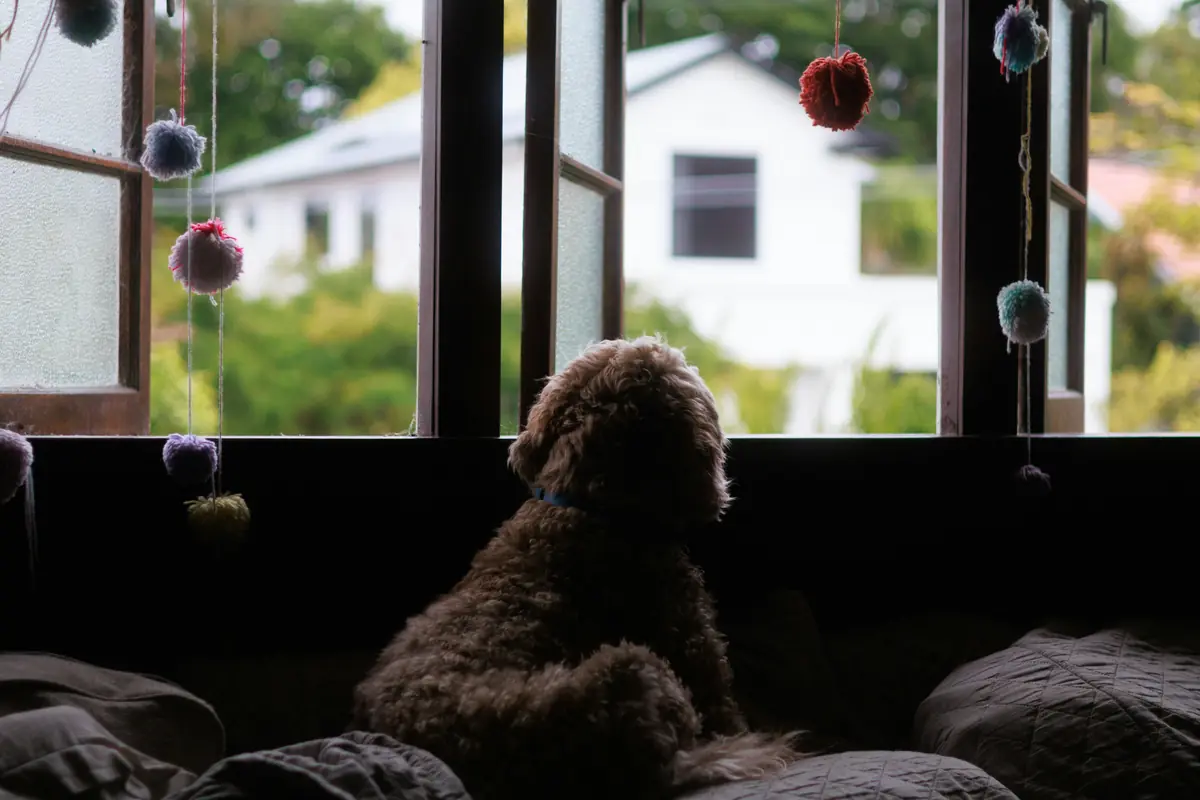
If you are reading this, you may be facing one of the hardest days of your life with your animal. Wanting to give them a quiet, loving goodbye at home is one of the kindest things you can do. This page walks you through what usually happens, so there are fewer surprises on the day.
Key points
- In-home euthanasia means a veterinarian comes to your house, so your pet can be in a familiar place, with the people they love, instead of in a clinic.
- Most visits begin with a sedative that helps your pet relax and drift into a deep sleep. The final medication is given after that, and your pet is not aware of it.
- You can stay for all of it, some of it or none of it. There is no right choice.
- Plan ahead if you can. Evening, weekend and last-minute visits often cost more, and not every area has an in-home veterinarian available the same day.
- You will also choose what happens afterward, such as cremation or burial. Your veterinarian will walk you through the options.
Why families choose to do this at home
Many people choose home because their animal is frightened of the car or the clinic, or is in pain and hurts when moved. Some families simply want their pet to be on their own bed or in a sunny spot in the yard, surrounded by their own smells and sounds.
It can also be easier on you. At home you can cry as loudly as you need to, take as long as you need afterward, and have the whole family there. Veterinarians who work this way often say the visit feels less like a procedure and more like a quiet gathering.
Home is not the only loving choice. A calm, kind clinic visit is a good goodbye too, and some animals and families do better there. If you are weighing the two, pet euthanasia cost explains what usually differs.
How to find a veterinarian who comes to your home
- Ask your own veterinarian first. Many clinics know a trusted in-home provider, and some do home visits themselves.
- Search an in-home network. Lap of Love is a large network of veterinarians who do in-home hospice and euthanasia, and its website has a "find a vet" search. The International Association for Animal Hospice and Palliative Care (IAAHPC) has a "Find Support" page with an in-home pet hospice and euthanasia provider directory.
- Check your local area. Independent in-home veterinarians exist in many places, so a search for your city can turn up more.
When you call, you might ask:
- Are you a licensed veterinarian, and how long have you done in-home visits?
- How soon could someone come, and is there an extra charge for evenings, weekends or short notice?
- What is included in the price? Sedation, a paw print, travel and aftercare are the usual questions.
- Can you answer my questions about what will happen before the visit?
- What happens to my pet's body afterward, and what are my choices?
It is perfectly fine to call more than one provider, and to choose the one that feels right.
Getting ready, for your pet
You do not have to do any of this, but families often find it helps.
- Pick the place. A favorite bed, the couch, a patch of sun or a quiet spot in the yard. Choose somewhere your pet is comfortable and where you can sit close.
- Bring out the comforts. A familiar blanket, a worn-out toy, soft music if your pet likes it. Put a towel or washable pad underneath them, because the body relaxes completely afterward.
- Offer a favorite treat or meal. Many families give a favorite food as a last small joy, whatever the diet says. Ask your veterinarian first if your pet has a health condition.
- Take photos. Some people want pictures of the last day, and some don't. If you do, now is the time. A photo with your hand on their paw is something many people are glad to have later.
- Make a keepsake before the visit if you want one. Snip a bit of fur, or take a paw print yourself. Many veterinarians do this for you afterward, so you can ask.
Getting ready, for you and your family
- Decide who will be there. Some people want to be with their pet to the very end. Others say goodbye beforehand and step into another room. The American Veterinary Medical Association says that being present is a very personal decision, and it encourages you to do what feels right for you.
- Have a few things settled in advance. Choose your aftercare ahead of time if you can (see below), and ask your provider how and when payment is handled.
- Plan a quiet day after. If you can, take the day off, have a friend nearby, and eat something. You may feel numb, shaky or oddly calm.
- Ask someone to be with you. A friend or a family member can answer the door, make tea and handle small things so you don't have to.
What happens, step by step
Every veterinarian does things a little differently, but this is the usual shape of the visit.
1. Arrival. The veterinarian comes in, says hello to your pet, and sits with you. They explain what will happen and answer questions. You can take as long as you need, and you can still change your mind.
2. Paperwork and payment. There is usually a short consent form, and your provider will go over payment. It is a small, practical moment, and most people are glad to have it done before the goodbye.
3. Sedation. Your veterinarian gives your pet a sedative, often as a small injection. Over the next several minutes your pet usually sighs, relaxes and falls into a deep sleep. This is a good time to hold them, talk to them and say what you need to say. Sedation helps even a nervous pet become calm.
4. The final medication. When your pet is deeply relaxed, the veterinarian gives the euthanasia medication, usually through a vein, sometimes with a tiny catheter placed first. It works quickly. Your pet becomes unconscious and feels no pain, and the heart and breathing stop within minutes. The veterinarian will listen for a heartbeat and quietly tell you when your pet has died.
5. Things you may see. Many people are startled by these, so it helps to know ahead of time. Your pet's eyes will probably stay open. There may be a deep breath or two, a twitch of a muscle, or the release of the bladder or bowels. These are reflexes and do not mean your pet is in pain or is aware. The veterinarian will not be alarmed, and neither need you.
6. Time alone. Afterward, your veterinarian will usually step away and give you as long as you need. Say goodbye in whatever way feels natural. Cry, talk, sing, or just sit.
7. Keepsakes and care of your pet's body. If you wish, your veterinarian may take a paw print or a nose print and clip a bit of fur. They can then carry your pet out for you, wrapped in a blanket, or help you if you are taking them home to bury. Some families prefer to carry their pet themselves, and that is okay too.
Ask your provider how long the visit usually takes for your pet's size and situation. A good provider will never rush you.
If you have children at home
AVMA and Cornell's veterinary college both suggest including children and talking to them in simple, honest words. Children usually cope better when they are told the truth and given a chance to say goodbye than when they are shielded from it.
- Tell them in plain language that the veterinarian is going to help your pet die peacefully because their body is very sick or very old. Be careful with "put to sleep" or "going to sleep," because young children can take it literally and become afraid of sleep or of having surgery. Avoid saying the pet "ran away" or "went away," since a child may wait for them to return or feel hurt when the truth comes out.
- Let them choose whether to be there. Many children want a chance to say goodbye first, and some are old enough to stay and comfort the pet. If they stay, explain what they might see.
- Give them a job. Drawing a picture, choosing a blanket, picking flowers or saying a few words can make them feel useful instead of helpless.
- Expect questions for weeks. That is how children grieve.
For picture books to read together, see pet loss books, and for more on helping children, see coping with the loss of a pet.
If you have other pets
Other animals in your home may notice. Some want to sniff or see the body, and some don't. Veterinarians differ on whether this helps, so ask yours what they suggest for your animals. If you decide to let them, do it calmly and afterward, and let them leave when they want to.
In the weeks after, other pets may seem quiet, clingy, restless or off their food. Keep their routine steady and give them extra comfort. If the changes last, or if a pet stops eating or drinking or has changes in bathroom habits, call your veterinarian, since illness can look like grief. Cornell's veterinary college says it can take weeks to months for a household to settle again.
Aftercare choices
You do not have to decide everything on the spot, but it is easier to choose beforehand. Your options usually include:
- Communal cremation. Several pets are cremated together, and the ashes are not returned. This is usually the lowest-cost choice.
- Private cremation. Your pet is cremated alone, and the ashes are returned to you.
- Burial. At home, if your local rules allow it, or at a pet cemetery. Rules vary by town and county, so check before you dig.
- Other options. Some places offer aquamation, a water-based alternative to flame cremation.
Our full guide, pet cremation guide, explains these in detail, including how to be sure the ashes you receive are your own. Your veterinarian can also tell you what their usual provider offers.
A last thought
You do not have to be certain it is the right day to do what is right for your pet. Almost no one feels ready. If you have been looking at your friend and wondering whether it is time, how to know when it's time to say goodbye to your pet may help. If you are worried about what comes after, coping with the loss of a pet is here for you.
What you are doing is an act of love. Letting your pet go while they still feel safe, with a hand on them and a familiar voice nearby, is a gift only you can give.
Related articles
- how to know when it's time to say goodbye to your pet
- pet euthanasia cost
- pet cremation guide
- coping with the loss of a pet
Sources
- AVMA, Euthanasia (for pet owners) - https://www.avma.org/resources-tools/pet-owners/petcare/euthanasia
- Cornell University College of Veterinary Medicine, what to expect during euthanasia (eyes stay open, twitching, heart and lungs stop within minutes) - https://www.vet.cornell.edu/node/2902
- University of Illinois College of Veterinary Medicine, euthanasia FAQ (urination or defecation, last deep breaths, twitching, open eyes) - https://vetmed.illinois.edu/?p=23864
- Royal Veterinary College (UK), Pet euthanasia (reflexes after death are normal) - https://rvc.ac.uk/small-animal-vet/general-practice/services/pet-euthanasia
- Lap of Love, What to expect during in-home pet euthanasia - https://www.lapoflove.com/blog/end-of-life-care-and-euthanasia/what-to-expect-during-in-home-pet-euthanasia
- Lap of Love, How much does in-home pet euthanasia cost - https://www.lapoflove.com/blog/end-of-life-care-and-euthanasia/how-much-does-in-home-pet-euthanasia-cost
- Lap of Love (home page; find a vet, services) - https://www.lapoflove.com/
- IAAHPC, Find Support - https://iaahpc.org/find-support/
- Cornell University College of Veterinary Medicine, Pet loss resources and support - https://www.vet.cornell.edu/impact/community-impact/pet-loss-resources-and-support
- KidsHealth (Nemours), When a pet dies: helping kids cope - https://kidshealth.org/en/parents/pet-death.html