

Why Is a Eulogy So Difficult to Write?
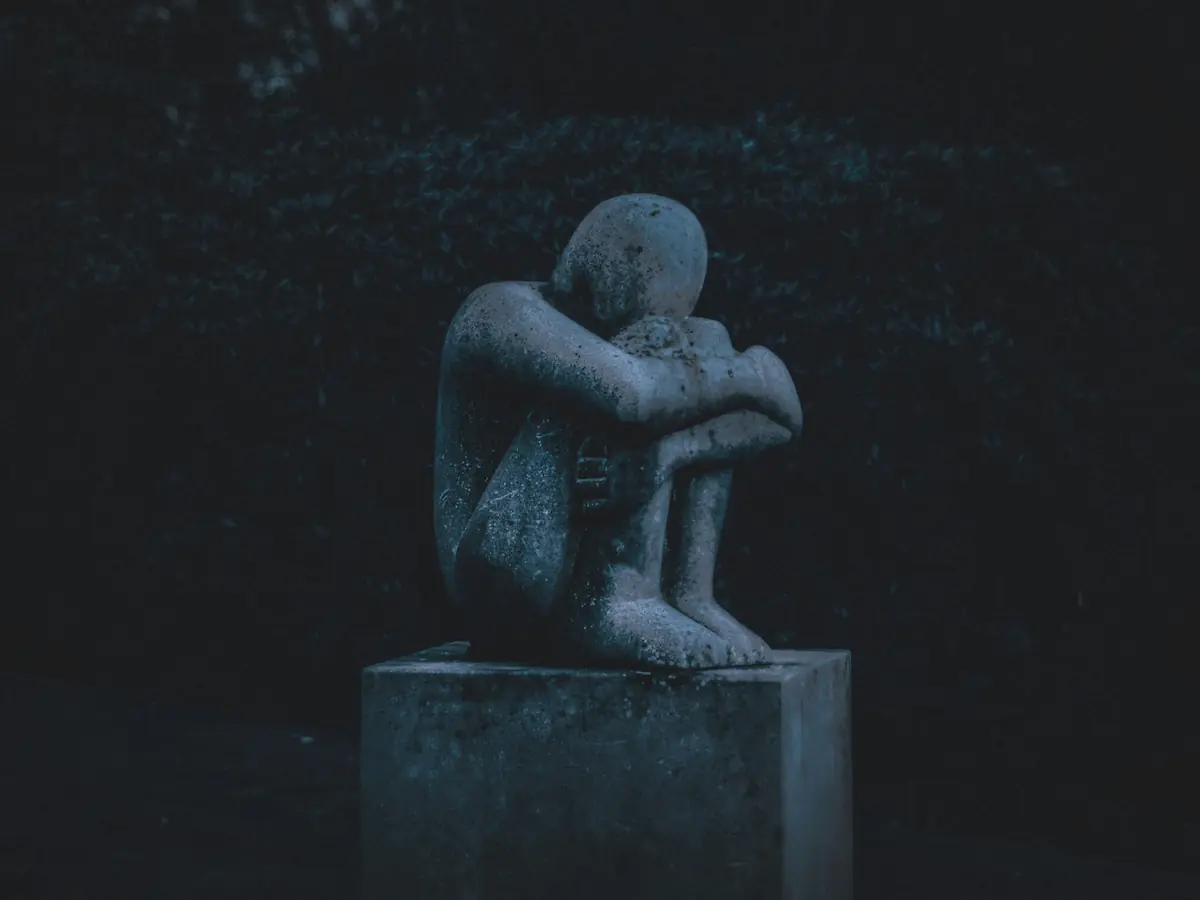
Many people dread speaking in front of a crowd. What happens when we mix that dread with grief? We get the eulogy. The very thought of writing and delivering one is enough to send shivers down some people's backs.
Why do we dread it? What makes it so hard to stand up and speak about someone's life? Why is a eulogy any harder than any other speech? The reasons will differ from person to person, but there are several that come up again and again. Let's look at a few of them, and at how the fears that go with them can be eased.
You are delivering a speech while grieving
Just speaking in public is hard. When you add the stress of grief, it gets harder. You may find it hard to collect your thoughts, or hard to express them. A funeral is an emotional event, and that can add to the anxiety you already feel. Grief can make you feel numb, and you may find it hard to say anything at all. Each person grieves and expresses that grief in their own way.
Do not be afraid to ask for help if you are finding it hard to write or deliver the eulogy. Many funeral homes and faith communities have someone who can help you through the process. If you think you'll have trouble remembering what to say, write key points on index cards. Someone from the church, synagogue, mosque, temple or funeral home where the service is held can stand by to read your words if you are unable to continue.
You may be afraid of saying the wrong thing
How do you sum up an entire life in just a few minutes? Will you do your loved one justice? This is a common fear. Often we are as worried about saying the wrong thing as we are about not saying enough.
A good way to ease this fear is to make a list of the important qualities of the person you are speaking about. Ask others who were close to your loved one which parts of their life they feel are important to share. Try to touch on different parts of their life, such as work, family, friendships and hobbies. Try running your eulogy by a friend or family member first, and ask for their honest opinion about what, if anything, you should change.
You are afraid of breaking down or not being able to finish
It is perfectly normal to cry at a funeral. People will understand if you need to stop and collect yourself, and many of them will be visibly upset as well. Having a backup person ready to finish your speech is a good way to make sure your thoughts are shared even if you can't do it yourself.
If you are having a hard time, it is perfectly acceptable to shorten your eulogy or simply tell everyone, "This is difficult for me and I just can't finish. I love Dad and miss him very much." Nobody is there to judge you or your speech-giving abilities. You do not need to keep going if you feel you can't, and someone else can say a few words in your place.
You are worried about your writing abilities
You do not have to be a great writer to write a eulogy. You will not be graded or judged. Some of the most moving eulogies are short and simple. In fact, you do not have to write anything down at all if you don't want to. Many eulogies are given straight from the heart, and there is nothing wrong with that. If you dread sitting down to write, don't. You can simply say a few words as they come to you.
Getting unstuck in ten minutes
If you are staring at a blank page, try this. It asks for no polished writing, only a little time and a pen.
- Set a timer for ten minutes and write at the top of the page, "I will always remember..."
- Finish that sentence as many times as you can. Write short, plain things. "How he whistled at every red light." "The way she called everybody 'sugar.'" "That terrible green car."
- Don't stop to fix anything. Spelling doesn't matter, and nobody will see this page but you.
- When the timer goes off, circle the three lines that make you smile or catch your breath. Those are the heart of your eulogy.
- Write one sentence about each of the three, saying what it showed about who they were.
Many people find that the hardest part is only getting started, and that the writing gets easier once there is something on the page. If you would rather talk than write, record yourself telling a story about your loved one on your phone, and write it down afterward. This works just as well if the loss was a pet, whose funny habits and favorite spots are often the first things that come to mind.
A simple outline
If you want a shape to follow, this one works for almost anyone, and it can be spoken in three to five minutes.
- Opening. Say who you are and how you knew them. "I'm Dana, Lou's daughter."
- Who they were. A few words about their character, such as kind, stubborn, generous or funny.
- A story or two. Choose the ones from your circled lines. A small, true story says more than a list of qualities.
- What they gave us. What did they teach you, or leave with the people in the room?
- Goodbye. End with a few words to them, or a short line from their favorite poem or a prayer from their faith. poems about death and dying
For more on shaping your notes into a speech, see our tips page. tips for writing a eulogy And if you would like to see how others have done it, read our examples. eulogy examples
If the blank page is the hardest part, the eulogy workbook is meant to get you past it, one page at a time, on paper.
Seeing a finished one can help too: Short Eulogy Examples, Eulogy for Mom, Eulogy for Dad, Eulogy for a Grandmother.
Remember why you are there
The most important thing to keep in mind when giving a eulogy is why you are there in the first place. You are there to remember and celebrate someone's life. Almost everyone in the room shares some kind of bond with your loved one, whether as family, a friend or an acquaintance. Do not be afraid to ask for help. You do not have to do it alone.
The eulogy is not about the person giving it or how well they speak. It is about the person who died and why they were special. Remembering that can ease the pressure. It is natural to feel afraid, and that fear can be overcome.
Sources
- 91.5 KIOS-FM Omaha Public Radio, Death or public speaking? UNO researchers revisit a 1973 study on the number one fear - https://www.kios.org/education/2012-07-17/death-or-public-speaking-uno-researchers-revisit-a-1973-study-on-the-number-one-fear