

What You Can and Can't Do With Cremated Remains
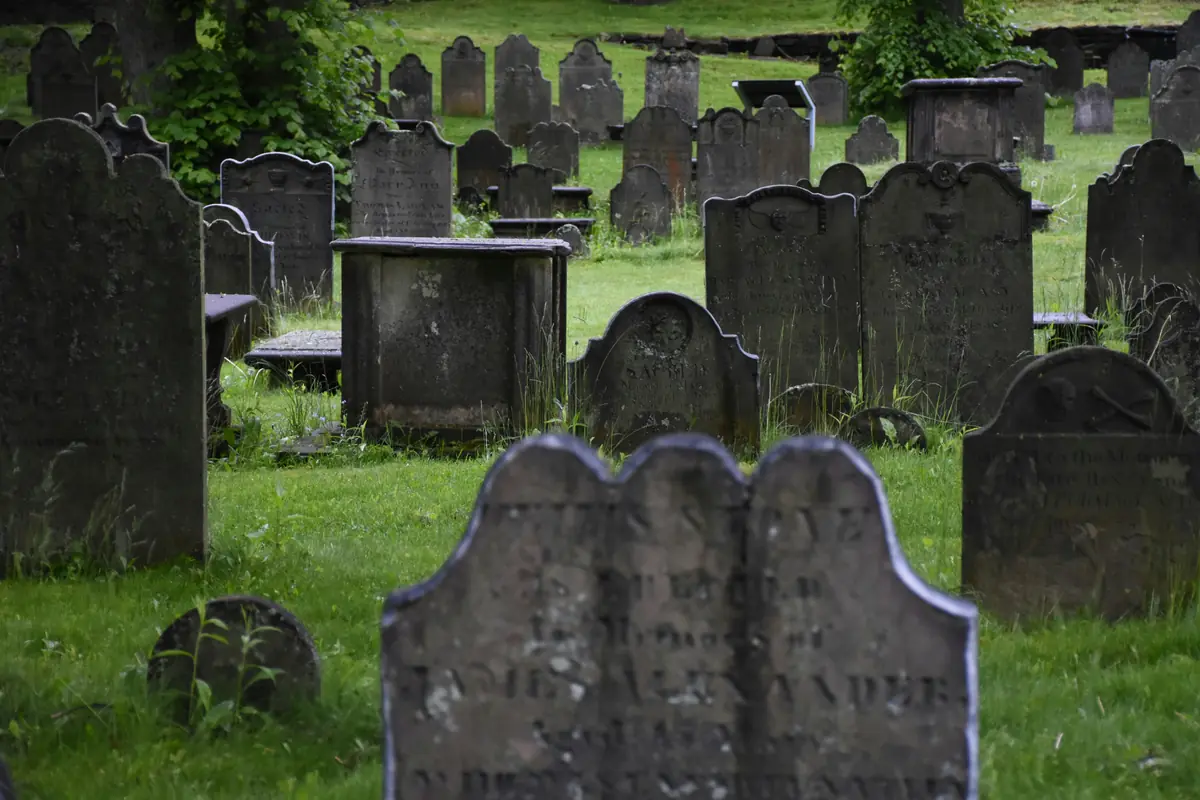
After a cremation, many families are surprised to be handed a box and no instructions. If that is you, nothing has to be decided today. You can keep the ashes close while you decide, and you can change your mind later. Here is what to know about the common choices, and a few limits.
Keeping ashes at home
This is very common, and it is allowed. Many people keep the ashes in an urn at home, sometimes for years, while the family decides on a final place. Nothing about it is wrong or unusual.
Scattering on land
There is no single rule in the United States. It depends on where you are and who manages the land.
- Private property: You need the owner's permission. Getting it in writing is wise if the property might be sold or family members might disagree later.
- Local parks and beaches: Local rules apply, so call the park or parks department first and ask.
- National parks: Many require a permit, and each park sets its own rules and fees. As of 2026, for example, Yellowstone's permit is free but must be requested at least 10 business days ahead, while Arches charges a $185 application fee. Parks often ask that ashes be fully scattered away from roads, buildings and campgrounds, and that nothing, such as an urn, flowers or a plaque, be left behind. Check with the park before you go.
Wherever you scatter, pick a quiet time, stay away from busy areas, and avoid anything that won't break down, such as plastic.
Scattering at sea and on the water
The Environmental Protection Agency has a general permit for burying or scattering human cremated remains in the ocean. It must happen at least three nautical miles from land. You don't need to apply ahead of time, but you must report it to the EPA within 30 days, which you can do through its online reporting tool. Flowers and wreaths are allowed only if they are made of materials that break down quickly, so no plastic flowers or synthetic wreaths. A container, if you use one, must not contain plastic, must not float, and ideally should break down quickly.
That permit covers the ocean only. Lakes, rivers and bays are governed by state rules, and some states don't allow it, so check with your state's environmental or health agency first.
Burial, niches and memorial places
Ashes can also be buried in a cemetery plot, placed in a niche in a columbarium, or buried in some green cemeteries. These choices give family a place to visit. Ask the cemetery what it requires, including what kind of container it accepts. Green Burial and Other Natural Options
Keepsakes and memorial jewelry
You don't have to choose just one. Many families keep a small portion in a keepsake urn or in memorial jewelry, such as a pendant, ring or bracelet made to hold a little of the ashes, and scatter or bury the rest. This can also be a quiet way for several family members to each have something.
Flying with cremated remains
If you need to travel by air with ashes, the Transportation Security Administration (TSA) allows you to carry cremated remains in a checked bag. TSA recommends a carry-on instead, because checked bags are handled roughly, and TSA handles them for only part of the trip. Some airlines do not allow cremated remains in checked bags, so check with your airline first.
Remains in a carry-on must go through the X-ray machine. If the X-ray operator cannot clear the container, TSA may use other, non-intrusive ways to clear it. TSA officers will not open a container of cremated remains, even if you ask them to. So it helps to pack the ashes in a container that can be X-rayed, and to carry it with you if you can.
What about selling ashes? A note on an old story
Years ago, a story went around about a man in Scotland who tried to auction small portions of his mother's ashes on eBay, hoping they would be scattered in faraway places. We could not find a reliable news source for the details, so we won't repeat them here. What we can say is that eBay's policy today does not allow human body parts or items containing them, and it does not allow used funeral items such as urns. The policy doesn't name ashes, but you should not expect that sort of listing to be allowed.
If the wish behind that story is a lovely one, you can honor it in a better way. Divide the ashes among family and friends who are traveling or living far away, and ask each to scatter a small portion somewhere meaningful, with permission where needed.
Pets' ashes
Pets are family, and their ashes can be kept at home, buried in a garden if local rules and your landlord allow it, or placed in a keepsake or memorial jewelry. The EPA's ocean permit covers human remains only, and some national parks, such as Yellowstone, allow only human ashes to be scattered. For anywhere else, ask the park or property owner before you scatter. pet loss section
Sources
- TSA, Ways to Travel with Cremated Remains - https://www.tsa.gov/blog/2018/07/10/ways-travel-cremated-remains
- U.S. Environmental Protection Agency, Burial at Sea - https://www.epa.gov/ocean-dumping/burial-sea
- National Park Service, Yellowstone, Scattering of Ashes Permit - https://www.nps.gov/yell/planyourvisit/ashscattering.htm
- National Park Service, Arches, Memorialization (Scattering Ashes) - https://www.nps.gov/arch/planyourvisit/memorialization.htm
- eBay, Human remains and body parts policy - https://www.ebay.com/help/policies/prohibited-restricted-items/credit-debit-cards-policy/human-remains-body-parts-policy?id=4325