

Green Burial and Other Natural Options: A Guide
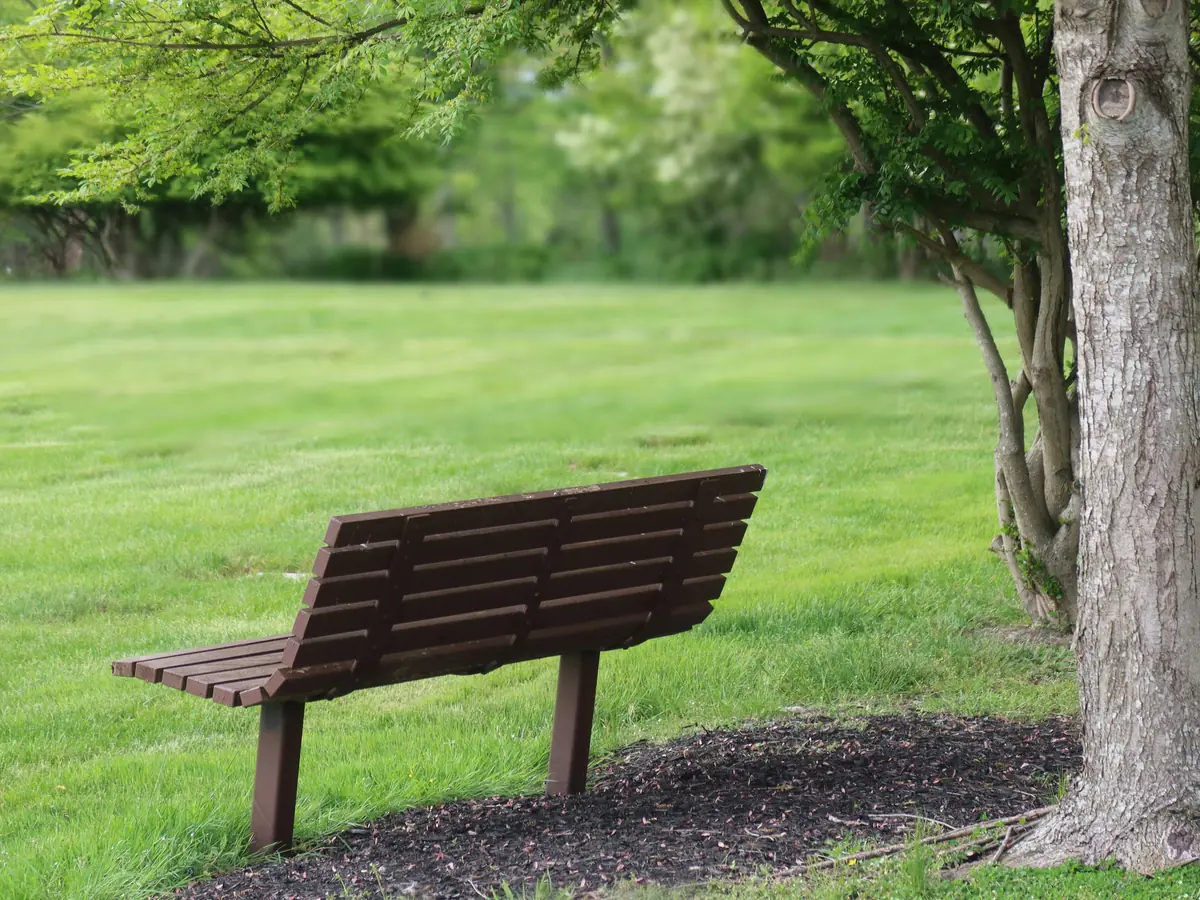
For many people, the idea of returning to the earth feels right. They want a simple farewell that is kind to the land and does not rely on chemicals, concrete or steel. If that sounds like you, or like the person you are planning for, here is a plain guide to green burial and the other natural options.
Key points
- Green burial means the body is buried without toxic embalming fluids, without a concrete vault or liner, and in a biodegradable casket, a shroud, or no container at all.
- Some cemeteries are natural burial grounds or conservation burial grounds. Many conventional cemeteries now offer a green section.
- Home funerals are legal in every state, though some states require a funeral director for certain steps such as paperwork or transport.
- Alkaline hydrolysis ("water cremation") and natural organic reduction ("human composting") are newer choices, available only in some states.
- Costs vary. A green burial can cost much less or somewhat more than a conventional funeral, depending on where you live and what you choose.
What green burial means
The Green Burial Council describes green burial as a way of caring for the dead with minimal environmental impact. It aims to reduce carbon emissions, protect the health of workers, and preserve or restore habitat. Common practices include:
- No embalming with toxic chemicals
- No vault or liner
- A biodegradable casket, a shroud or a simple container, or no container at all
- No herbicides, pesticides or fertilizers on the burial grounds
If a body needs to be kept for a few days before burial, refrigeration or other cooling is a common alternative to embalming. The FTC says that no state law requires routine embalming for every death.
Three kinds of green cemeteries
According to the Green Burial Council:
Hybrid cemeteries are conventional cemeteries that offer natural burial in a dedicated section or throughout the grounds. Certified hybrids do not require vaults and must allow eco-friendly containers such as shrouds and softwood caskets.
Natural burial grounds are devoted entirely to sustainable practices. They prohibit toxic chemicals and vault components, and they allow only plant-based or natural containers.
Conservation burial grounds are natural cemeteries established with a conservation organization. They follow a land management plan, and the land is permanently protected by a conservation easement or deed restriction.
Green burial is growing. In 2025, KFF Health News reported that Lee Webster, a former president of the Green Burial Council, counted 497 U.S. cemeteries that allow green burial, up from 150 in 2016. Most are hybrids.
Finding a green cemetery or provider
The Green Burial Council certifies cemeteries and funeral homes in the U.S. and Canada, and it lists certified makers and sellers of shrouds, urns and caskets. Certification is a good sign, though not every good provider is certified. Its website, greenburialcouncil.org, has maps of certified cemeteries and funeral homes.
Ask any cemetery:
- Do you allow burial without a vault or liner?
- What containers or shrouds are allowed?
- Are there rules about grave markers, such as native stones or flat markers?
- Can the family help dig, fill in or place flowers, if we wish?
- What does the price include?
Shrouds, caskets and containers
A shroud is a simple cloth, often cotton, linen, wool or silk, wrapped around the body, sometimes with a board for support. A biodegradable casket can be made from untreated wood, wicker, bamboo, cardboard or other natural materials. A biodegradable urn holds cremated remains and breaks down in soil or water.
Under the FTC Funeral Rule, a funeral home cannot refuse to handle a casket or urn you bought elsewhere, and it cannot charge you a fee to do so. cremation cost
Home funerals
A home funeral means a family, with friends and community, cares for their loved one from death until burial or cremation, instead of leaving all of it to funeral professionals. The Home Funeral Alliance says it is legal to care for your dead in every state. Families can wash and dress the body, hold a vigil, create rituals, and arrange a simple burial.
In most states, families can do everything necessary without hiring a funeral director. A few states require a funeral director for certain tasks, usually paperwork and transportation. The Home Funeral Alliance has a page of state laws at homefuneralalliance.org, so check your state's rules before you plan.
Some people find that caring for the body themselves gives them time, privacy and a quiet way to say goodbye. Others find it too much, and that is perfectly all right. A green funeral home can be a good middle path.
Cost
Prices vary widely by region. The National Funeral Directors Association's most recent price study (2023) put the median funeral with a viewing and cremation at $6,280, and the median funeral with a viewing and burial at $8,300. KFF Health News, citing NFDA, put the median funeral with burial and a vault at about $10,000, not counting the cemetery plot or monument. For comparison, the same 2025 KFF article reported:
- A conservation burial ground near Nashville, Tennessee, charging $4,000 for a green burial, including the gravesite and just about everything else
- A green section at a historic Brooklyn cemetery, priced at $15,000, compared with $21,000 to $30,000 for a conventional plot there
- A human composting service at $5,000 to $6,000
These are examples, not averages. A hybrid cemetery in a city may cost more than a rural conservation ground. Green burial can save money when you skip the vault, the embalming and an expensive casket, but plots in some places are costly. Always ask for the General Price List.
Newer natural options
Alkaline hydrolysis (also called water cremation or aquamation). The body is placed in a chamber with water and an alkaline solution, usually potassium hydroxide. Heat and pressure speed up the natural breakdown of tissue. The remaining bones are processed into a powder much like cremated remains, which the family receives. In 2025, KFF Health News reported that it is legal in almost half of U.S. states, so check your own state.
Natural organic reduction (human composting). The body is placed in a container with materials such as wood chips, straw and alfalfa, and over about four to six weeks, microbes turn it into nutrient-rich soil. The National Funeral Directors Association's list, dated May 2025, names 13 states that have approved it, including Washington, Oregon, Colorado, New York, Georgia and Minnesota. New Jersey then approved it in September 2025, which brings the count to 14. California approved it in 2022, and its law takes effect in 2027. States keep adding it, so check your state before planning.
Neither is available everywhere, and some providers may not serve your area. Ask whether the provider is licensed in your state, how the remains are returned, and what the total cost includes.
Pets, too
Many people want a natural farewell for a beloved animal. Options may include burial at home where local rules allow, a pet cemetery, cremation with a biodegradable urn, or planting a tree or shrub where ashes are buried. Rules about burying a pet at home vary by city, county and state, so check with your local government first. pet loss section
Is it right for you?
Green burial is a deeply personal choice. It can be a comfort for people who love the outdoors, who want a simple ceremony, or who want to leave a light footprint. If it matters to you, put it in writing and tell the people who will carry out your wishes. Living Wills: Why You Need One
Related articles
- cremation cost
- what to do when someone dies
- Unscrupulous Sales Techniques in Funeral Homes
- Tips for Writing a Eulogy
Sources
- Green Burial Council, "Green Burial Defined" - https://www.greenburialcouncil.org/green-burial-defined/
- KFF Health News (Paula Span), "When I Go, I'm Going Green" (Sept. 8, 2025) - https://kffhealthnews.org/news/article/green-burials-funerals-cemeteries-human-composting-new-old-age/
- Home Funeral Alliance, "What Is a Home Funeral?" - https://www.homefuneralalliance.org/what-is-a-home-funeral
- Home Funeral Alliance, "State Laws" - https://www.homefuneralalliance.org/state-laws
- Federal Trade Commission, "The FTC Funeral Rule" - https://consumer.ftc.gov/articles/ftc-funeral-rule
- National Funeral Directors Association, 2023 General Price List Study news release (Dec. 8, 2023) - https://content.nfda.org/news/media-center/nfda-news-releases/id/8134
- National Funeral Directors Association, "Alkaline Hydrolysis" - https://content.nfda.org/resources/alternative-disposition/alkaline-hydrolysis
- National Funeral Directors Association, "Natural Organic Reduction" (state list as of 5/30/2025) - https://www.nfda.org/your-business/business-resources/disposition-options/natural-organic-reduction/
- New Jersey Legislature, P.L. 2025, c. 143 (natural organic reduction of human remains), approved September 11, 2025 - https://pub.njleg.gov/Bills/2024/AL25/143_.HTM