

7 Signs Someone May Be Suicidal
If you or someone you know is struggling or in crisis, call or text 988 or chat at 988lifeline.org (Suicide & Crisis Lifeline, U.S.). Veterans: dial 988 and press 1. Outside the U.S., find a local line at findahelpline.com. If someone is in immediate danger, call 911.
If you are worried that a friend or loved one may be thinking about suicide, it helps to know the warning signs. Every person is different and will show pain in their own way, but there are signs you can watch for that may mean someone is in crisis. If you think someone is in danger, get help right away. You don't have to handle this alone.
Warning signs are most worrying when they are new, when they have grown stronger, or when they follow a painful loss or a big change in someone's life.
- Talking about suicide or death. Never brush off talk about wanting to die or "ending it all." Listen for talk of feeling hopeless, trapped, in unbearable pain, having no reason to live, or being a burden to others. Making a plan or looking up ways to die is a sign to act right away. Even if the person says they don't mean it, words like these tell you they are hurting and reaching out.
- Withdrawing from friends and family. Pulling away from the people they love can be a sign of depression or suicidal thoughts. A person may spend more and more time alone, and may become sad or angry when loved ones try to reach them.
- Sudden changes in mood or behavior. A sharp change in how someone acts, thinks, looks or gets along with others can be a sign they are struggling. Watch for depression, anxiety, irritability, shame, agitation or anger. Changes can also be gradual. A sudden calm or "better" mood after a long, dark stretch can also be a warning sign.
- Saying goodbye or giving things away. This can include calling old friends and relatives to say goodbye, giving away prized belongings or pets, suddenly putting affairs in order, or arranging care for children. This is a serious warning sign. Reach out right away.
- Reckless or risky behavior. This can mean drinking or using drugs more than usual, driving dangerously, starting fights, or taking other big risks.
- Losing interest in regular activities. Watch for someone suddenly quitting or losing interest in school, work, sports, clubs, worship, volunteering or hobbies.
- Changes in sleeping or eating. Watch for sudden weight loss or gain, or someone sleeping much more or much less than usual.
What to do if you are worried
Ask them directly. It is okay to say the word. You might say, "Are you thinking about suicide?" Asking does not put the idea in someone's head. Studies show it does not raise the risk, and it may be the best way to find out if they need help.
Be there and listen. Let them talk without judging, arguing or trying to fix everything. Talking openly can ease some of the pressure they feel.
Help keep them safe. Ask if they have a plan. If they do, don't leave them alone. Help put distance between the person and anything they could use to hurt themselves, such as firearms or stored-up medication. If someone is in immediate danger, call 911.
Help them connect. Offer to call or text 988 with them, or to help them reach a doctor, counselor, faith leader or another person they trust. Don't promise to keep it a secret.
Follow up. Check in over the next days and weeks with a call, a text or a visit. Staying in touch after a hard moment really does help.
If you are the one who is hurting
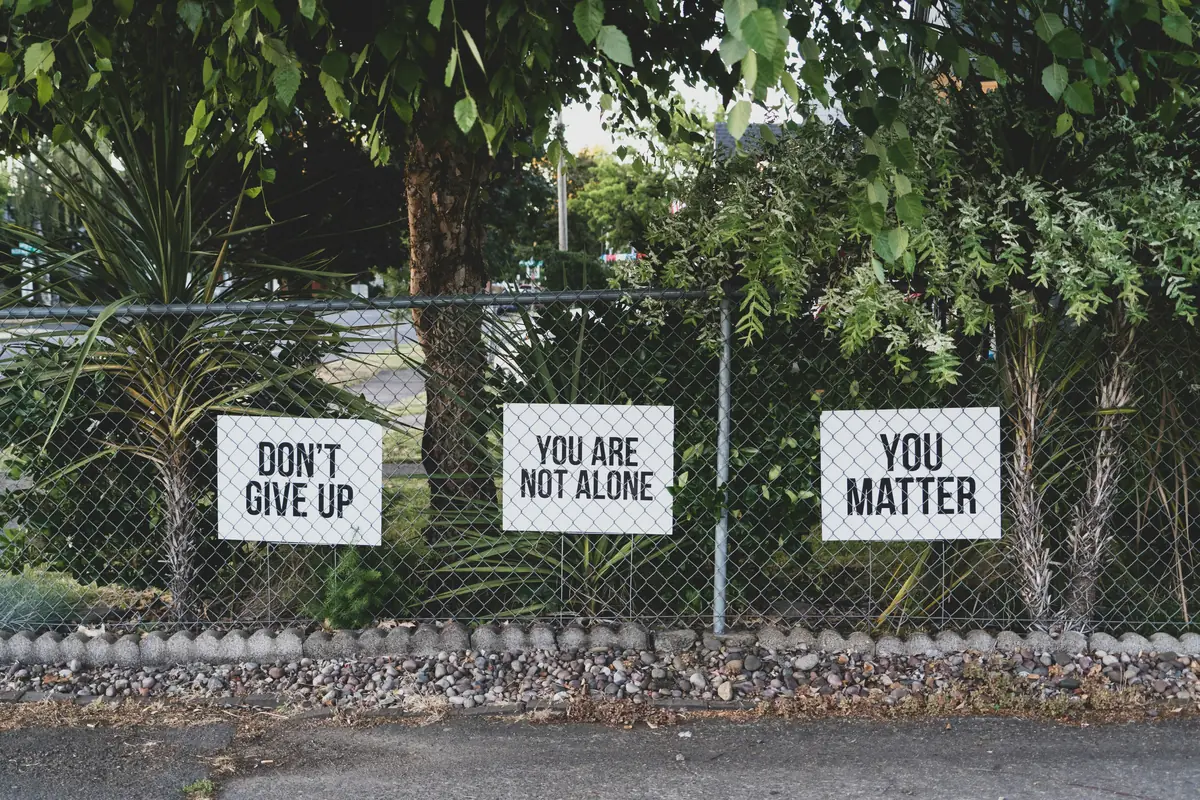
You matter, and help is real. Trained, caring people are ready to listen any time, day or night, and treatment works for many people who have thoughts of suicide. You do not have to wait until things get worse to reach out.
If you or someone you love is thinking about suicide, please reach out now. Many caring professionals and trained listeners are available to talk about loneliness, depression or thoughts of suicide.
If you or someone you know is struggling or in crisis, call or text 988 or chat at 988lifeline.org (Suicide & Crisis Lifeline, U.S.). Veterans: dial 988 and press 1. Outside the U.S., find a local line at findahelpline.com. If someone is in immediate danger, call 911.
Related: An Overview of Suicide
Sources
- American Foundation for Suicide Prevention, Risk factors, protective factors, and warning signs - https://afsp.org/risk-factors-protective-factors-and-warning-signs/
- National Institute of Mental Health, Warning Signs of Suicide (revised 2025) - https://www.nimh.nih.gov/health/publications/warning-signs-of-suicide
- National Institute of Mental Health, 5 Action Steps to Help Someone Having Thoughts of Suicide (2024) - https://www.nimh.nih.gov/health/publications/5-action-steps-to-help-someone-having-thoughts-of-suicide
- National Institute of Mental Health, Frequently Asked Questions About Suicide (revised 2023) - https://www.nimh.nih.gov/health/publications/suicide-faq
- 988 Suicide & Crisis Lifeline, home page - https://988lifeline.org/
- 988 Suicide & Crisis Lifeline, Get Help - https://988lifeline.org/get-help/
- 988 Suicide & Crisis Lifeline, How do I text the 988 Lifeline? - https://988lifeline.org/faq/texting-the-988-lifeline/faq-how-do-i-text-the-988-lifeline/
- Find A Helpline, About - https://findahelpline.com/about
- SAVE, Recommendations for Reporting on Suicide (reportingonsuicide.org now redirects here) - https://www.save.org/media/media-recommendations/
- Recommendations for Reporting on Suicide (one-page version) - https://allianceofhope.org/wp-content/uploads/2018/09/ROS-001-One-Pager-1.13.pdf